There's a certain quietness that settles over the Canadian Rockies just before dawn. It's not silence—far from it. The wind carries whispers of glaciers that have been carving valleys for millennia. The rivers murmur secrets about the salmon runs that have sustained communities for generations.
Most travelers see Canada through the polished lens of postcards and tourist brochures. They visit the same viewpoints, take the same photos, and leave with the same stories everyone else tells.
What If You Could Go Deeper?
Imagine standing at the edge of a hidden alpine meadow that doesn't appear on any map. The kind of place where Indigenous guides have been bringing their families for centuries, not because it's spectacular—though it is—but because it teaches something about patience, about reading the land, about understanding your place in the ecosystem.
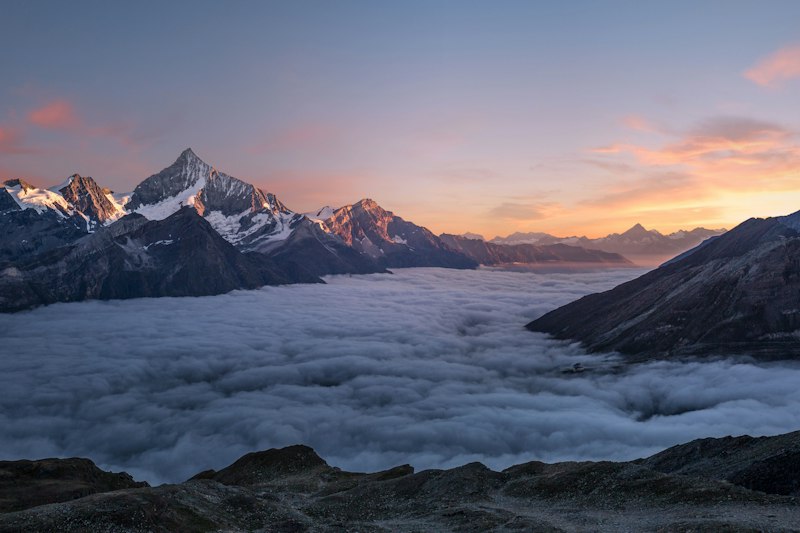
We've spent the last twelve years building relationships with communities across Canada. Not the transactional kind where tour operators drop groups and disappear, but genuine partnerships where stories are shared, where traditions are honored, where the land itself becomes your teacher.
The Problem with Modern Tourism
Here's what nobody talks about: conventional tourism is extractive. It takes experiences, takes photos, takes stories, and gives back very little. Ecosystems suffer. Communities become performance spaces. The authentic becomes manufactured.
You've probably felt this yourself. That hollow feeling after a "cultural experience" that felt more like a transaction. That nagging sense that you're seeing a place without really understanding it.
"I've traveled to forty countries, and this was the first time I felt like I was learning rather than just looking. The three days we spent with the coastal communities changed how I see conservation entirely." — Sarah Hutchinson, Vancouver
A Different Approach
Our journeys are small. Intentionally so. Six people maximum. Sometimes four. This isn't about scale; it's about depth.
Each expedition is designed around a question rather than a destination. How do ecosystems recover after fire? What do traditional fishing practices teach us about sustainable resource management? How does glacial retreat reshape not just landscapes but entire ways of life?
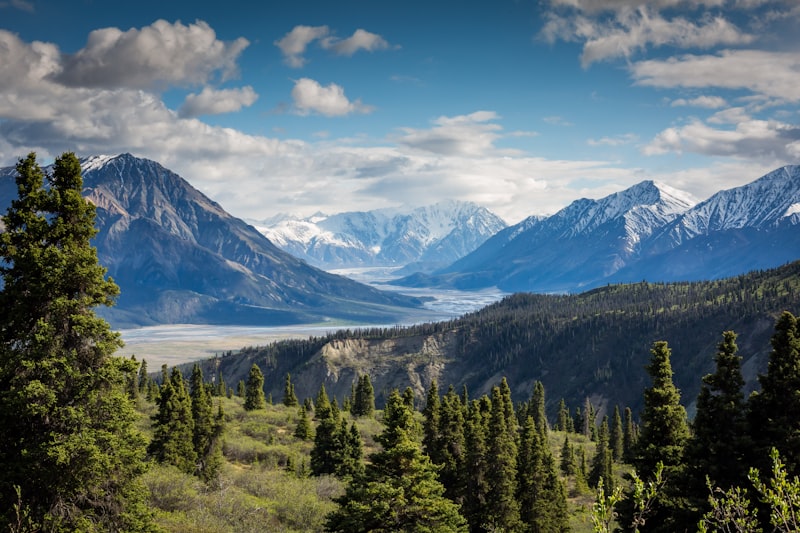
You won't find us rushing from viewpoint to viewpoint. You'll spend hours in single locations, watching light change, observing wildlife patterns, listening to guides who have decades of knowledge about specific valleys and watersheds.
What Makes This Real
Every journey we offer has been developed in collaboration with local communities. The Haida guides who lead our coastal expeditions aren't contractors—they're partners who help design the entire experience. The conservation biologists who accompany our alpine treks are actively conducting research; you're not just observing their work, you're participating in it.
This approach creates something rare: mutual benefit. Communities receive fair compensation and control over how their stories are shared. Researchers gain support for their field work. And you? You gain understanding that can't be packaged or commodified.
"I expected beautiful scenery. What I didn't expect was to spend two hours discussing salmon migration patterns with a marine biologist and actually understand the entire coastal ecosystem by the end. This wasn't tourism—it was education that happened to take place in stunning locations." — Michael Torres, Toronto
The Journeys We Offer
Each expedition is limited to a handful of departures per year. This isn't artificial scarcity—it's the natural limit of doing things properly, of maintaining relationships, of ensuring minimal environmental impact.
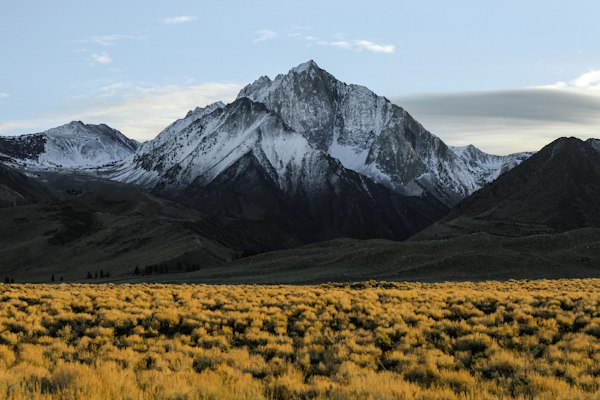
Alpine Ecology Immersion
Seven days tracking seasonal changes in high-altitude ecosystems. You'll work alongside conservation biologists documenting plant communities, observe wildlife adaptation strategies, and learn traditional ecological knowledge from Indigenous guides who have been reading these landscapes for generations.
Group size: 4-6 participants
Physical level: Moderate to challenging
CAD 3,247.50 per person
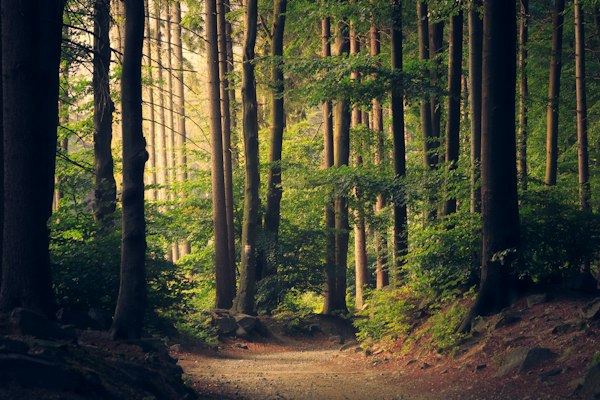
Coastal Stewardship Journey
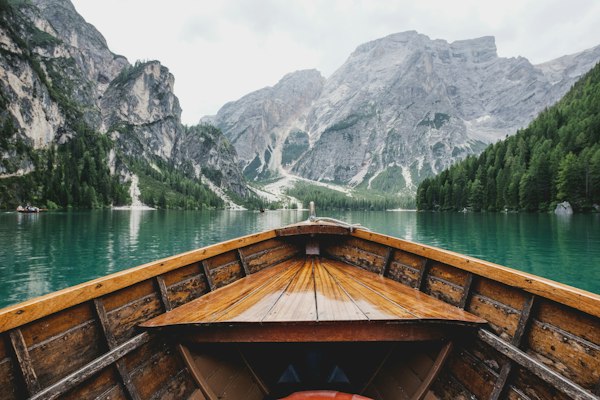
Six days with Haida communities on Haida Gwaii, participating in traditional harvesting practices, learning about marine conservation, and understanding how Indigenous knowledge systems inform modern ecosystem management. Includes boat-based exploration of protected waters.
Group size: 4 participants
Physical level: Light to moderate
CAD 4,185.00 per person
Glacial Systems Expedition
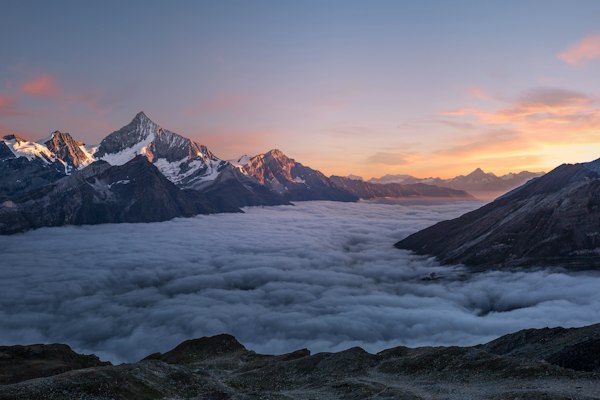
Five days documenting glacial retreat in the Columbia Icefield region. Work with glaciologists collecting field data, learn ice core analysis basics, and understand how climate change is reshaping alpine environments in real time. Technical but accessible to non-scientists.
Group size: 5-6 participants
Physical level: Moderate
CAD 2,876.25 per person
Boreal Forest Study
Eight days in northern Saskatchewan learning traditional land-based skills from Cree elders while participating in forest ecology research. Includes fire ecology observation, traditional plant use workshops, and wildlife tracking with conservation teams.
Group size: 4-5 participants
Physical level: Light to moderate
CAD 3,542.80 per person
Prairie Restoration Project
Four days working with grassland ecologists in southern Alberta. Participate in native species replanting, learn about soil health restoration, and understand how agricultural practices can coexist with ecosystem preservation. Hands-on conservation work.
Group size: 6 participants
Physical level: Light
CAD 1,923.60 per person
What Participants Say
"This wasn't a vacation. It was the most intellectually engaging week I've had in years. I came back with notebooks full of observations and a completely changed perspective on what tourism can be." — Dr. James Park, Montreal
"The guides treated us as collaborators, not customers. We contributed to actual research, learned skills I still use, and built friendships with both the team and other participants. Three months later, I'm still processing what I learned." — Rebecca Donovan, Calgary
How to Join
We don't have an automated booking system. Each participant receives a detailed conversation about their interests, fitness level, and what they hope to gain from the experience. This helps us match people to the right journey and ensures group dynamics work well.